Center Certification & Testing International
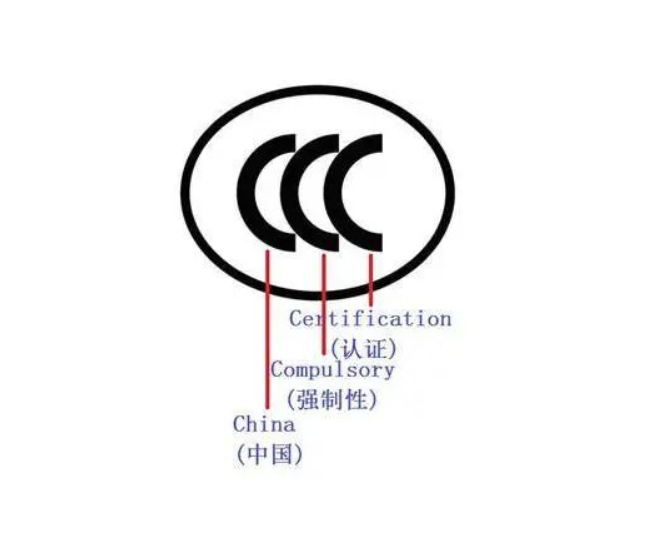
Under China’s domestic consumer electronics supervision framework, mandatory CCC certification for mobile phone chargers is the core market access qualification enabling legal production, circulation and sales. It serves as a critical measure to standardize mass production specifications, avoid regulatory penalties and cut down product safety hazards. With increasingly refined market supervision including unannounced factory inspections and regular random sampling, manufacturers can only achieve sustainable operation by completing certification formally and enforcing compliance during mass production.
On May 8, 2026, the World Trade Organization (WTO) issued Circular G/TBT/N/EU/1205, and the European Commission formally proposed to amend Annex XVII of REACH Regulation (EC) No.1907/2006, adding restrictions on hydrogenated terphenyls (PHT). The deadline for public comments on the draft circular is July 7, 2026, and it is planned to be formally adopted in the fourth quarter of 2026, and it is planned to take effect on the 20th day after the publication of the official bulletin of the European Union.
On March 12, 2026, the Saudi Organization for Standards, Metrology and Quality (SASO) issued a formal notice to adjust the SASO IEC 62680 series standards that were originally scheduled to be enforced on January 1, 2026 to be officially implemented on May 1, 2026.
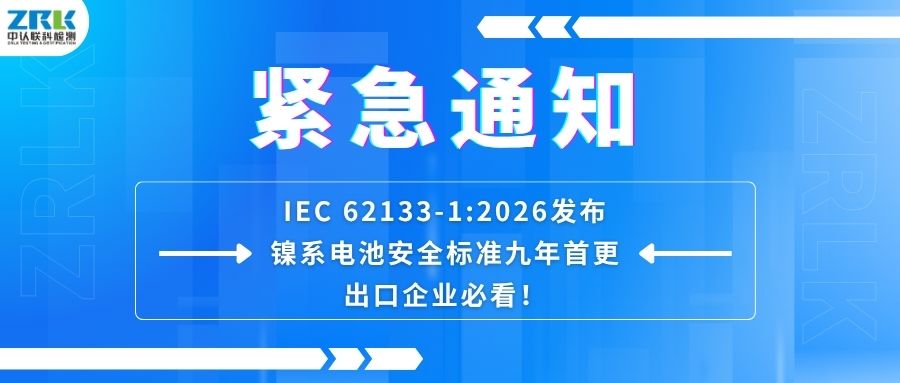
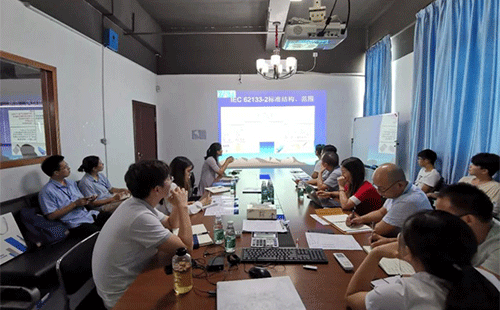
With the frequent accidents of thermal runaway of lithium-ion batteries, nickel-based batteries have always occupied an important position in remote control, electric toys, portable electronic equipment and other fields because of their high safety and strong abuse tolerance. Recently, the International Electrotechnical Commission (IEC) officially released the new standard IEC 62133‑1:2026 for the safety of nickel-based portable batteries. This is the first major update of the standard in 9 years, which will directly affect the global battery access and export compliance.
As mainstream office and entertainment digital accessories, wireless mice must meet Japan\'s strict radio regulatory requirements for entering the Japanese market. TELEC Certification is a mandatory access certification established by Japan\'s Ministry of Internal Affairs and Communications for radio frequency equipment. All mice equipped with wireless transmission functions must hold a TELEC certificate to be legally sold and circulated in Japan, serving as an essential compliance checkpoint for enterprises layouting Japan\'s digital market.
In today\'s fast-paced global life, lithium-ion batteries have penetrated all aspects of life with high efficiency, light weight and long service life. From smartphones and electric vehicles to large-scale energy storage systems, they have become an indispensable power core for modern industry and consumer electronics.
With the in-depth development of education informatization, educational robots have become indispensable assistants in campus and family education due to vivid interactive experience and rich teaching scenarios. As smart electronic devices integrated with Wi-Fi, Bluetooth and other wireless communication modules, educational robots must pass a legal compliance threshold — SRRC Certification (Radio Transmission Equipment Type Approval Certification) before officially entering the Chinese market.
With the vigorous development of the consumer electronics market, Bluetooth speakers have become popular daily items thanks to convenient wireless connection and excellent sound effects. For manufacturers, to gain a firm foothold in fierce market competition and achieve long-term development, applying for an authoritative quality inspection report is an indispensable key step.
Learn the latest exciting content

Tik Tok