Center Certification & Testing International
COC certification in Algeria is a mandatory certification for products exported to Algeria, ensuring that the products comply with the country's safety, quality, and technical standards. The certification process includes document review, product testing, and factory inspection. Products that pass certification can be legally sold in the local market, protecting consumer interests and promoting fair trade.
Step 1: Prepare the necessary documents and schedule an inspection. Invoices, packing lists, test reports, and sample photos (one for each product) are required. After submitting the application, make an appointment with the testing agency for inspection.
Step 2: Inspection process. After preparing the goods, the organization will arrange designated inspectors to conduct on-site inspections. Only through inspection can subsequent container loading operations be carried out.
Step 3: Provide data after container loading. After the container loading is completed, provide timely container loading data, including detailed information about the goods and shipping status.
Step 4: Draft confirmation. The draft is usually issued within 3-5 working days, and the company needs to conduct preliminary confirmation. Carefully check the information in the draft to ensure accuracy.
Step 5: Pay the fees. After the payment is completed, you can wait for the certificate to be issued.
Step 6: Provide the bill of lading and issue the certificate. The final step is to provide the bill of lading, and the certificate will be issued within 3-5 working days.
1. Application Form: Fill out a detailed application form. The content includes enterprise information, product details, and export information.
2. Formal invoice or commercial invoice: Provide a formal invoice or commercial invoice that includes detailed information such as product name, specifications, quantity, unit price, and total price. Ensuring that the invoice content is consistent with the actual exported products is an important basis for auditing.
3. Packing list: Detailed information such as product name, quantity, weight, etc. should be listed. Ensure that the packing list matches the actual goods to avoid certification delays caused by information discrepancies.
4. Test report: The test report must be issued by an accredited laboratory.
5. System certificate (if any): If the enterprise has obtained ISO or other quality management system certification, relevant certificates can be provided as supplementary materials.
If you want to learn more about COC certification or have products that require COC certification, please feel free to contact our company at any time!

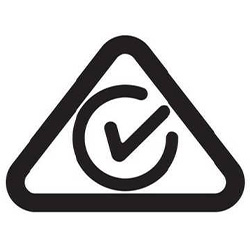
Australian RCM certification
Label printers entering the Brazilian market, ANATEL certification is an essential passport! It is the recognition of the Brazilian Telecommunications Authority for the safety and compliance of electronic products, without which products cannot be legally sold.
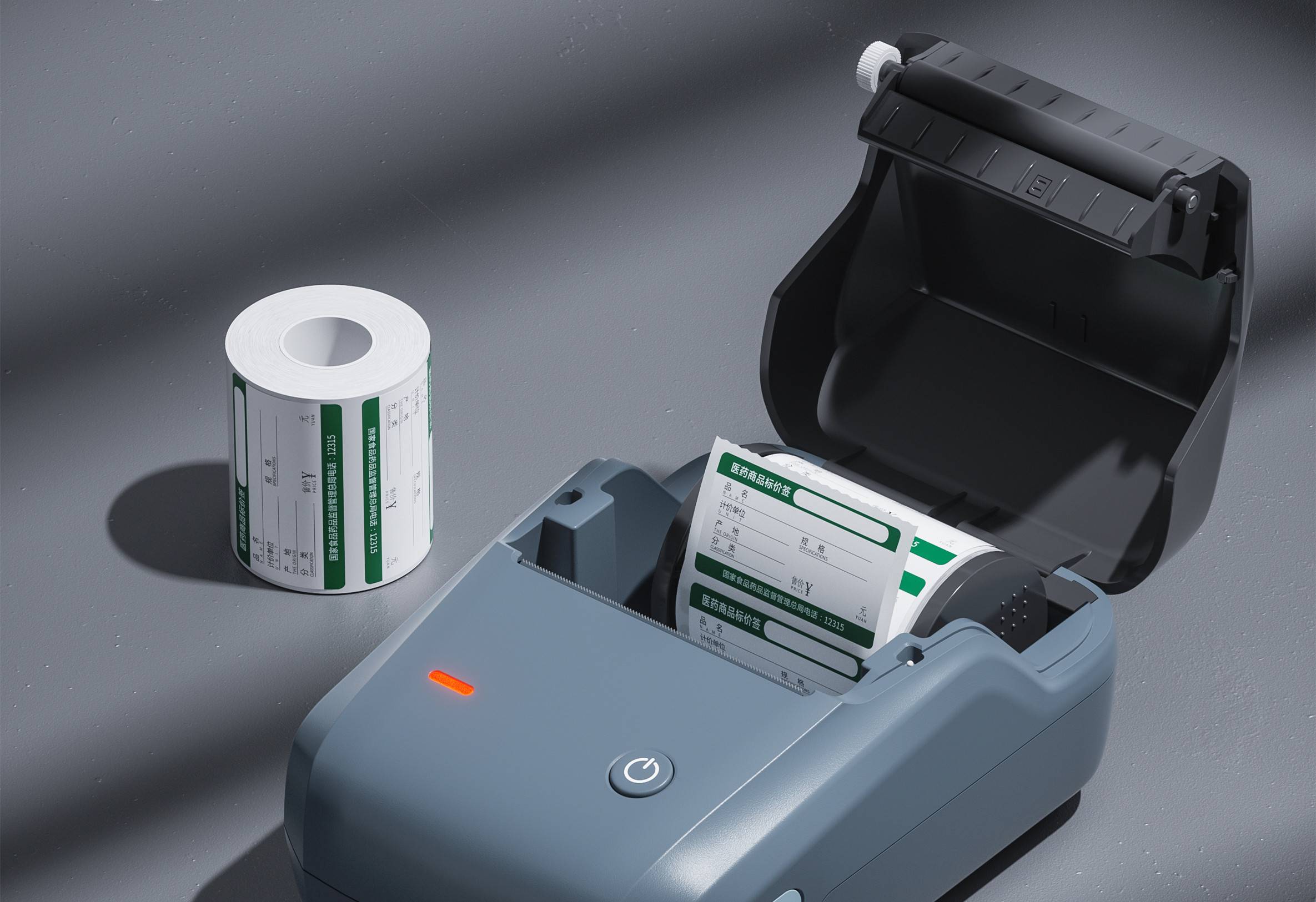
SRRC certification is not only a guarantee of product compliance, but also a key to opening up the market.
COC certification in Algeria is a mandatory certification for products exported to Algeria, ensuring that the products comply with the country\'s safety, quality, and technical standards. The certification process includes document review, product testing, and factory inspection. Products that pass certification can be legally sold in the local market, protecting consumer interests and promoting fair trade.
Get a quote

Tik Tok